
PACpAInt
Decoding pancreatic cancer subtypes from routine histology slides
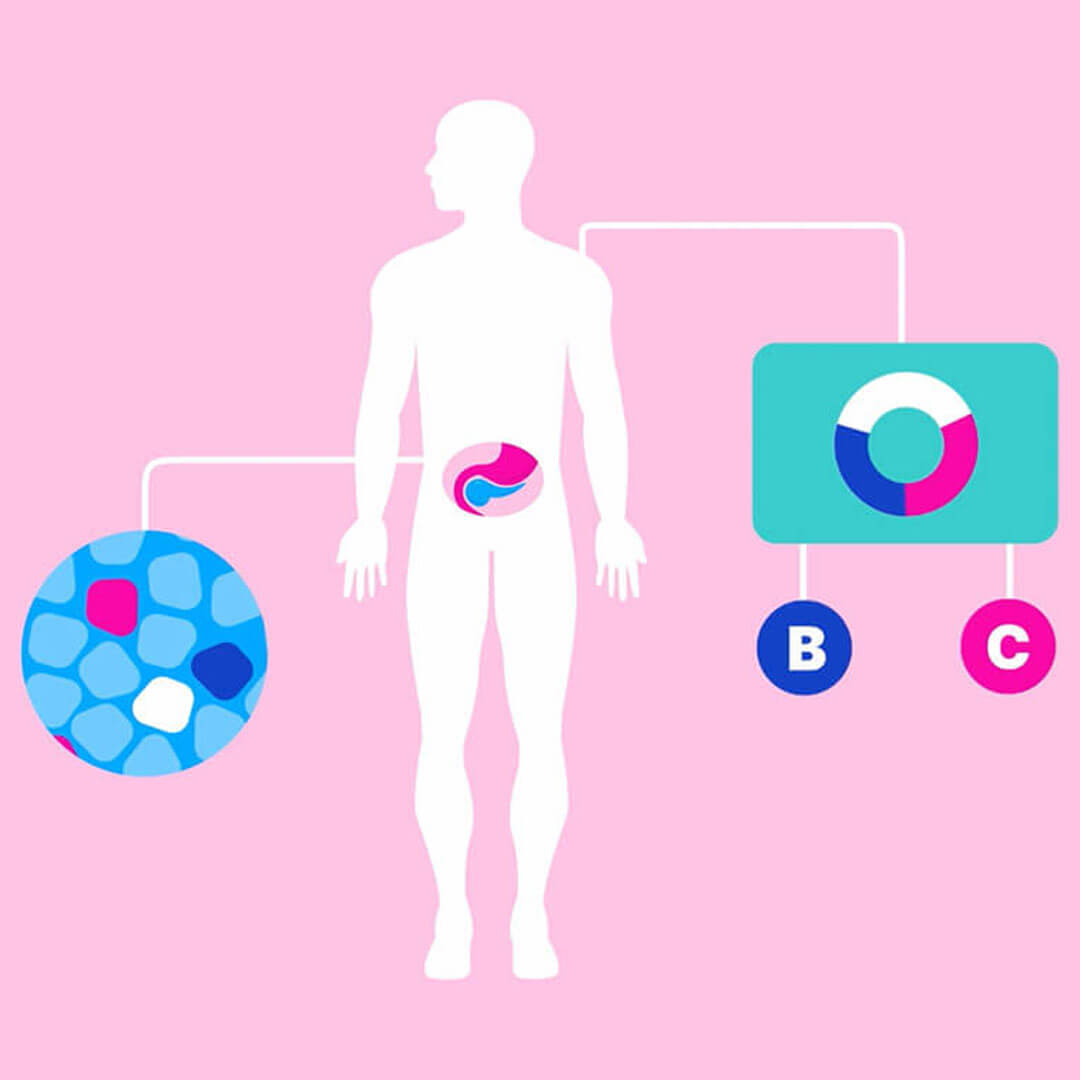


Identifying pancreatic adenocarcinoma molecular subtypes from histology slides
Context
Pancreatic adenocarcinoma (PAC) is a very heterogeneous tumor with a high trial failure rate. Currently, molecular subtypes are defined by RNA profiling whose limitations prevents its application in routine care.
Methods
We used a multiple instance learning model with a self-attention mechanism called PACpAInt.
This multistep approach used deep learning models to detect PAC tumors from histology slides and predict molecular subtypes.
Results
Identified molecular subtypes in the three validation cohorts with independent prognostic value comparable to RNAseq.
Identified inter-slide heterogeneity in 39% of tumors that impacted survival. This helped us refine existing subgroups based on tumor heterogeneity.
Impact
Increased statistical power - Pharma can increase the statistical power of phase III trials by using this tool to select high-value subgroups with the greatest unmet need and that are most likely to benefit from the treatment.


